-
The Planetary Gamble

As climate change accelerates and pushes Earth toward dangerous tipping points, humanity is beginning to consider an extraordinary and controversial solution: geoengineering the planet itself. From Solar Radiation Modification to Carbon Dioxide Removal, scientists and governments are exploring technologies that could cool the Earth—but at what cost?
-
Digital Tribes

Technology is no longer simply changing how we live — it is rewiring how we think, belong, and even understand reality itself. Social media algorithms and surveillance capitalism are quietly turning humanity into competing digital tribes, fragmenting truth, amplifying outrage, and reshaping identity through invisible systems of manipulation. In the connected age, the greatest battle…
-
The Surveillance Planet

The world’s most powerful surveillance system may arrive not through dictatorship, but through AI, smartphones, and digital convenience. As governments and corporations increasingly monitor and predict human behaviour, privacy, freedom, and democracy itself are at risk. The future may depend on who controls the data — and the systems watching humanity.
-
When Machines Think Faster Than Us

Artificial intelligence is no longer a distant possibility lurking in science fiction. It is already reshaping finance, healthcare, warfare, politics, and even human behaviour itself. As machines grow faster, smarter, and more autonomous, humanity faces a question no civilisation has confronted before: what happens when intelligence itself escapes human control? The battle is no longer…
-
Power, Profit, and the Planet

Behind the stock markets, headlines, and political speeches lies a far more complex reality: the global economy is not truly controlled by governments alone, but by an invisible web of capital, corporate power, debt, technology, and manufactured narratives. Wealth shapes influence. Influence shapes policy. And policy shapes the future of billions. Yet as inequality deepens,…
-
Smart Cities or Fragile Systems?

Cities built our future. Now they may decide whether we have one. In this sharp, unsettling exploration, Raj Shekhar reveals the paradox of urbanisation—engines of growth and innovation that are also dangerously fragile. As climate stress intensifies, the real question is no longer how cities grow, but who shapes them—and at what cost.
-
Water: The Decider of Our Fate
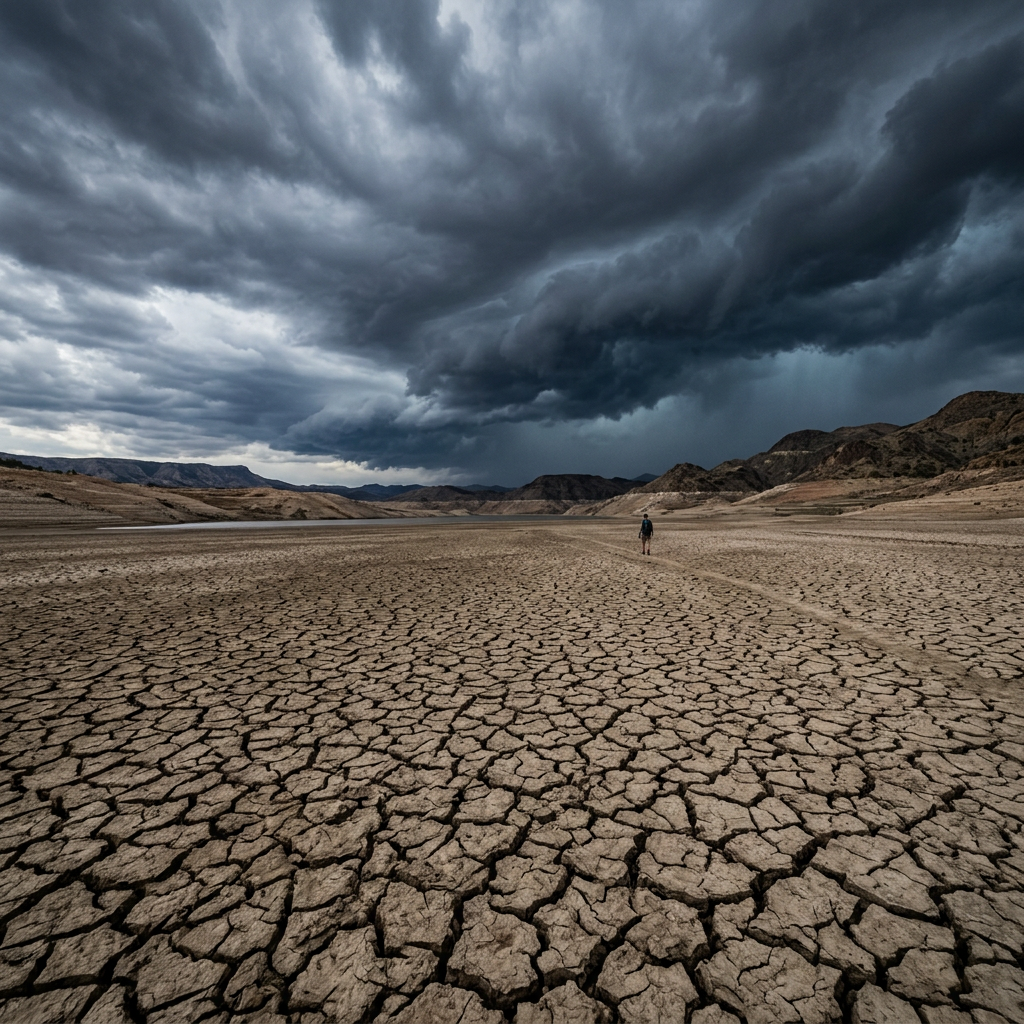
Water underpins civilisation, yet rising demand, climate disruption, and poor management are driving scarcity and declining quality. Rapid urbanisation is intensifying pressure on limited supplies, turning water into a systemic constraint on growth and stability. The future will be decided not by abundance—but by who controls, conserves, and survives on water.
-
Feeding Ten Billion:

The post explores the impending crisis of food security amid challenges like soil degradation, water scarcity, and ecological destruction. As global population nears ten billion by 2050, the current food system is insufficient. Sustainable solutions require redesigning agriculture to focus on resilience, equity, and regeneration, not mere output.
-
The Energy Dilemma: Can Civilisation Survive Without Fossil Fuels?
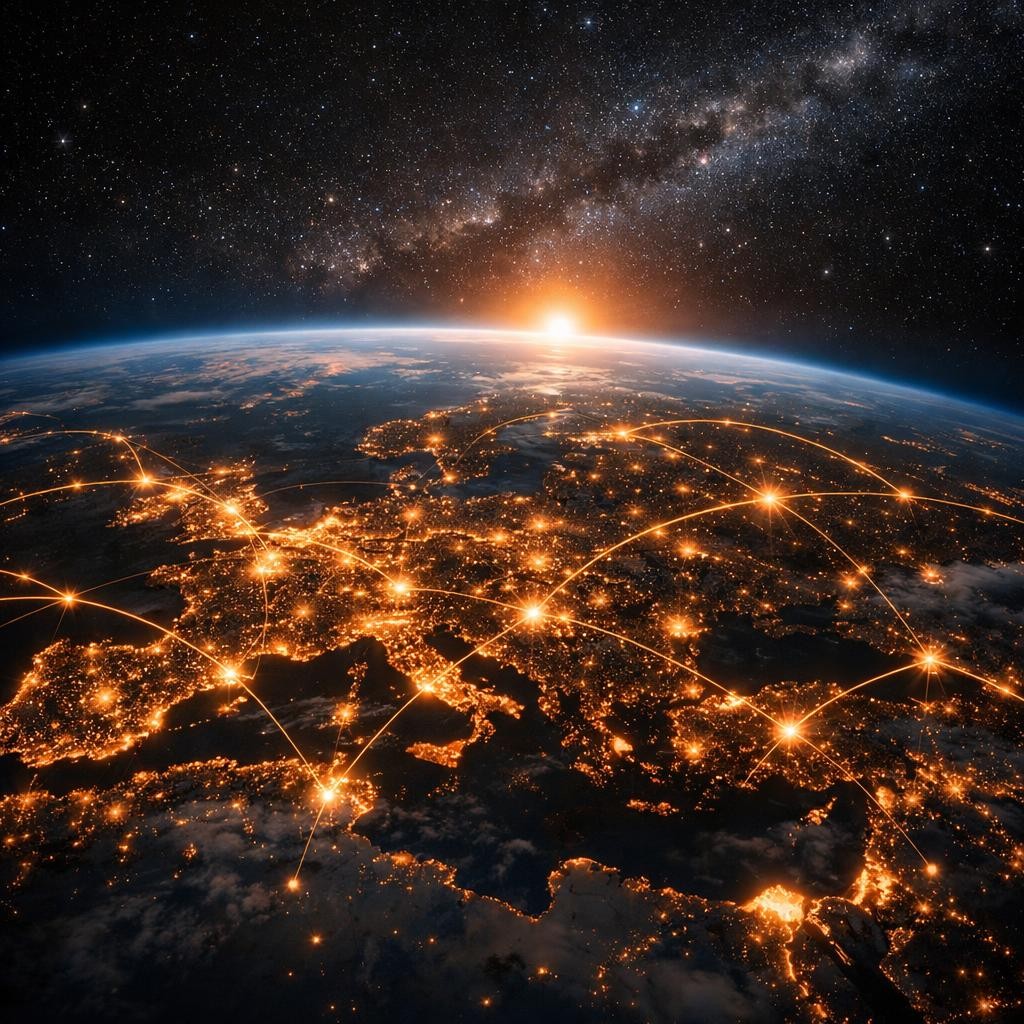
What if the greatest risk to civilisation is not running out of energy—but believing we never could? In this blog, we confront a dangerous illusion: that infinite growth can be powered on a finite planet. Fossil fuels built the modern world—but they also destabilised the very systems that sustain it. Can civilisation survive the break…
-
The Consumption Machine: How Overconsumption is destroying the Planet

In this blog, Raj Shekhar examines the destructive power of modern consumer culture, termed the “consumption machine.” This system fosters overconsumption, driven by demand and marketed desires, which leads to ecological degradation. It urges readers to reconsider the foundations of economic growth, questioning whether endless consumption is desirable or sustainable on a finite planet.
-
The Growth Trap

The blog discusses the concept of the “Growth Trap” in modern economics, highlighting the fallacy that endless growth is sustainable on a finite planet. It critiques GDP as a measure of success, emphasises the interconnectedness of the economy and the biosphere, and poses critical questions about how societies can thrive within ecological limits, urging a…
-
Planet Under Pressure

The blog discusses the fragility of Earth’s systems, highlighting that six to seven planetary boundaries have already been breached, risking the sustainability of human civilisation. It argues that ecological overshoot and interconnected environmental issues threaten resilience. Ultimately, it questions the systemic forces driving humanity towards self-destruction, despite awareness of the consequences.
-
The Anthropocene: When Humans Became a Geological Force

The blog discusses how human civilisation has become a dominant geological force, reshaping the Earth’s climate, oceans, and ecosystems during the Anthropocene epoch. This period has redefined humanity’s role and responsibility towards planetary stewardship. Can we do it?
-
We are too many here!

The blog discusses the tension between population growth and Earth’s finite resources, highlighting that humanity’s demand is exceeding nature’s capacity. It argues for reevaluating our relationship with consumption and advocates for policy shifts towards sustainability, education, and restraint. Failure to address these issues risks severe ecological and societal consequences.
-
The Inheritance – A new Blog series on the future of humanity

The content explores the concept of legacy, emphasising that it transcends mere possessions or accolades and is built through our daily actions and choices. It argues that true heirlooms may be environmental assets like clean air and water, and that our legacy will be defined by what we leave behind for future generations. • What…
-
Who needs Intellectuals?
In today’s society, intellectualism is unfashionable, overshadowed by emotion and instinct. Historically, intellectuals shaped significant advancements in various fields, advocating for values like dignity and justice. However, modern pressures have diminished their critical, independent thinking, resulting in a climate where true intellectuals are marginalised, jeopardising societal progress and accountability.
-
Hope on the Horizon

This conclusion of the series “Ignored Crisis” reflects on the journey through dementia awareness and care. It emphasizes the power of hope, innovation, and empathy, showcasing grassroots movements and technological advancements. With a call for collective action, it envisions a future where memory loss is met with dignity and support.
-
India must Act

India faces a significant dementia challenge, with nearly 9 million people aged over sixty currently living with the condition. The absence of a National Dementia Plan exacerbates care disparities and burdens families. A comprehensive plan could promote early diagnosis, support caregivers, and strengthen India’s health system while positioning the nation as a leader in global…
-
We Need to Come Together

A dementia-inclusive society requires collaboration among families, NGOs, employers, faith groups, media, and government. As dementia becomes more prevalent, integrating support is crucial to bridge service gaps. The collective effort can help caregivers and individuals affected by dementia find community, reduce stigma, and promote understanding while ensuring necessary policies are implemented.
-
Beyond Amyloid

The blog discusses the advancements in Alzheimer’s research, highlighting the approval of drugs, which can slow the disease’s progression by removing amyloid from the brain. Furthermore, it emphasizes Alzheimer’s as a complex, multifactorial problem involving immune response, blood flow, and metabolism, calling for comprehensive prevention strategies.
-
The Oxygen Mask Principle; Caring for the Carer

Rita, a caregiver, faces exhaustion and emotional turmoil while caring for her husband. The blog emphasizes the importance of self-care for caregivers, highlighting the risks of compassion fatigue and the necessity of sleep, movement, and social support. It advocates for boundaries and shared responsibilities to ensure caregivers can sustain their well-being.
-
YOU ARE NOT ALONE

This blog delves into the emotional challenges faced by dementia caregivers, revealing their isolating journeys and the importance of community support. It highlights the need for shared responsibilities and emphasizes that caregivers should never be alone. Building connections through support groups and professional help can alleviate loneliness and promote resilience.
-
Making Home Safe

Blog 9 of 15 in the series – The Ignored Crisis When Home Becomes a Memory Map At 3:42 a.m., Susan woke to the sound of clattering cutlery. Every light in the house was blazing. Her father was a retired station master. He was known for his impeccable moustache and his devotion to jaggery tea.…
-
Caring Without Going Broke

This blog discusses the hidden financial costs of dementia, exemplified through Sunita’s struggles as a caregiver for her father. It highlights the challenges families face due to lack of preparation, cultural taboos, insurance gaps, and rising care costs. The importance of budgeting and seeking support is emphasized for effective care management.
-
What to Say — and Not to Say

The blog discusses effective communication strategies for caregivers of individuals with dementia, emphasizing the importance of emotional connection over factual accuracy. It encourages validation and compassionate responses to foster trust and reduce anxiety. By understanding dementia’s impact on communication, caregivers can create a supportive environment, ensuring loved ones feel safe and heard.
-
It’s OK not to be OK

The hidden emotions of care giving. The attached podcast is a summarised version of this blog. Breakdown on the Cold Floor. “ Last night, I sat on the cold bathroom floor and closed the door. The chill of the tiles steadied me after a day that would not end. I had been pacing in the…
-
Boost Your Memory – Simple Daily Habits explained – Part 2

This guide emphasizes preventive strategies for brain health, advocating for early medical consultation regarding cognitive changes. It debunks myths about memory, highlighting effective habits like spaced repetition and retrieval practice. It stresses the importance of lifestyle choices, social connections, and mental engagement, promoting a holistic approach to cognitive well-being and joy.
-
The Ignored Crisis

“The Ignored Crisis” exposes dementia and Alzheimer’s as a rapidly expanding global emergency, claiming a life every three seconds. It’s a thief of memories and a destroyer of families. The call to action? Protect your memory, spread awareness, and demand attention from leaders. Now is the time to act before it’s too late.
-
Boost Your Memory: Simple Daily Habits explained – Part 1

The blog discusses how everyday habits influence memory and cognitive health, emphasizing that memory decline isn’t inevitable. It highlights the importance of lifestyle choices like exercise, nutrition, sleep, and stress management in fostering brain resilience. Engaging socially and maintaining curiosity can enhance cognitive reserve, promoting mental sharpness at all life stages.
-
All Dementia Isn’t Alzheimer’s. Knowing the difference lights the way.

Forgetfulness can signal underlying dementia, a symptom arising from various diseases, particularly Alzheimer’s. Symptoms like memory loss and confusion disrupt daily life. Early diagnosis is essential, involving clinical assessments and brain imaging. Compassionate care focuses on emotional connections, allowing families to rediscover meaning despite memory changes, highlighting the importance of awareness and support.
-
7 Early Signs of Alzheimer’s: A Compassionate Guide

This blog emphasizes the importance of recognizing early signs of Alzheimer’s disease to provide timely support and care for loved ones. It illustrates common symptoms like memory loss, planning difficulties, and confusion. Early detection offers families time for critical conversations and planning, empowering them to navigate the emotional challenges together.
-
Breaking the Silence on Alzheimer’s: A Global Crisis

The Silent Story of a Global Crisis You Need to Know About Take a moment. Just a single, quiet moment. Now, blink. In the split second your eyelids closed and opened again, something happened. Somewhere in the world, a memory loosened its grip. A name, a face, a cherished moment from years ago faded like…
-
THE IGNORED CRISIS

The Silent Story of a Global Crisis You Need to Know About ⏱ Every three seconds, another life is claimed by dementia. That’s how quickly Alzheimer’s strikes — tearing through families, stealing memories, breaking hearts, and draining lives. This isn’t “someone else’s problem.” It’s a tidal wave. And it’s already here. For your parents. Your…